
Parenting > Trending > How To Fix Meltdowns
How A Desperate Mom Fixed Her Son's Meltdowns Using This Weird 5-Minute Trick Developed Using Ivy League Research
"I knew something had to change when the meltdowns became violent…"
By Rachel Coleman | Mar 14, 2026 | 7:42 am EDT
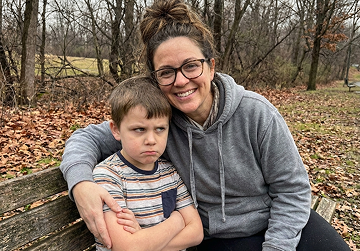
My son is 7 years old. He's brilliant. He's sensitive. He's kind.
But when he has his meltdowns, it's like he becomes a completely different kid.
I've tried tips from Dr. Becky...
Used tactics from Big Little Feelings...
But nothing has helped.
Three months ago, I finally hit my breaking point.
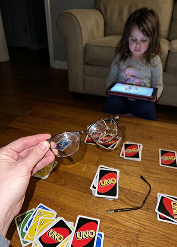

During a meltdown over Uno (because he drew the wrong card), he became violent for the first time.
He threw a Nerf gun at my face and hit his sister with the deck of cards.
When his emotions finally calmed down, he said something I will never forget:
“Mommy, can you take me to the hospital so they can fix my brain?”
At this moment, I felt like I completely failed as a parent.
The Meltdowns Slowly Affected Our Whole Family
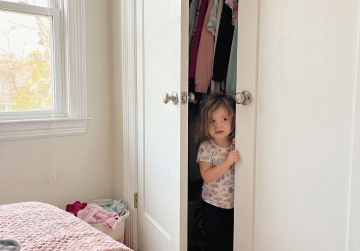
My four-year-old daughter started hiding in her closet whenever he spiraled.
We stopped having other families over.
I'd been declining birthday party invitations for months, and the one we did go to, we left after twenty minutes because someone else won the cakewalk prize, and my son cried in the parking lot.
My husband and I didn't fight about money anymore...
We fought about him.
About “how to handle him.”
About whether I was too soft. Whether he was being too harsh.
I love my son. But there are days I don't like him very much.
And I feel so guilty admitting that, even now.
So if you're like I was, bracing every time your kid gets frustrated...
Making up a fake story about why you left the birthday party early...
Or constantly apologizing for your kid's behavior...
I really, really feel you.
I was right where you are... searching Reddit at midnight, lurking in Facebook mom groups, screenshotting every Instagram therapist who promised this would be the trick.
I Was Getting Desperate, And Tried Everything The Experts Told Me To Do
I tried every option I could find.
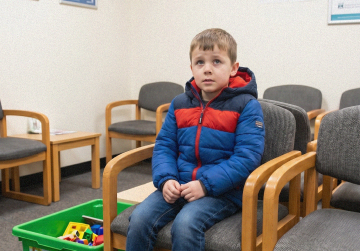
Therapy. $225 a session, every Wednesday, for over a year. I sat in the waiting room nervously waiting as other moms walked in looking exactly as wrecked as I was.
After more than a dozen sessions, our therapist told me my son was 'emotionally healthy.'
...he obviously wasn't.
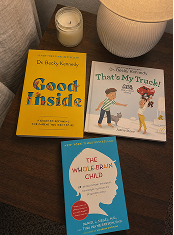
Gentle parenting. I bought every Dr. Becky book. I subscribed to her membership. I 'named the feeling.' I 'held space.'
I sat with him through 40-minute meltdowns saying, 'I see how big this is for you.'
But the meltdowns got longer, not shorter.
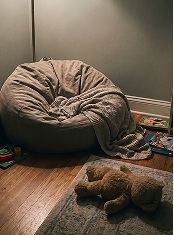
Big Little Feelings, the Time-In Toolkit, the Calm-Down Corner. I built the corner. He threw a stuffed animal at it.
The Explosive Child book. I underlined the whole thing. I tried 'Plan B' conversations. They require an emotionally regulated kid, and mine simply wasn't.
Big Life Journal. Barely made it past week one, and he got bored.
A pediatrician's referral for a psychiatric evaluation. 8-month waitlist.
I had resigned myself to a future of meltdowns, broken Legos, and a marriage that fought about parenting every Sunday night.
But then, I finally made a breakthrough.
I Realized I'd Been Solving The Wrong Problem
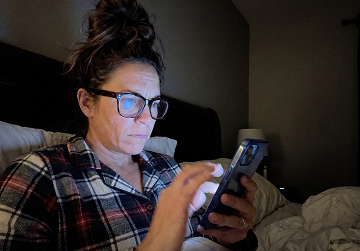
It was 1am on a Tuesday night, and I did what I always did — doom-scrolling parenting forums with the lights off, reading the same recycled advice from the same questionable “experts.”
Then a comment stopped me cold.
It wasn't from a therapist. It wasn't from an influencer. It was another exhausted mom, desperate to help her son.
She wrote about her son spiraling after every small mistake — saying things like “I'm stupid,” “I hate myself,” “Why am I so dumb.”
She'd tried everything. Therapy didn't work. Pep talks didn't work. Reward charts didn't work.
And then she said something I'd never heard another parent say:
"We spent two years teaching our son to name his feelings. Nothing changed. Because his real problem wasn't emotional regulation... it was confidence. And you can't talk a kid into confidence. You have to train it."
I read it three times. Then it clicked.
This was the missing piece from every therapist's office, every parenting book, every “validate his feelings” infographic.
They were all treating my son's meltdowns as an emotional problem. Something he needed to talk through. Medicated on.
But here's what I missed for two years:
Meltdowns aren't the
problem. They're just a
symptom of the problem.
Underneath every meltdown is a moment where a kid believed he couldn't handle what was happening.
Lost a game. Got an answer wrong. And in that micro-second between the trigger and the explosion — he didn't have the inner voice that says “this is hard, but I can do hard things.”
What my son was missing... is confidence.
I clicked the link in the comment. It led me to a man named Sonny Caberwal — a former corporate lawyer who'd quit his job five years ago when his own daughter was struggling with low self-esteem.


She was terrified to raise her hand in class and spiraled after small mistakes.
After trying every solution out there with no results, Sonny spent the last five years working with child-development researchers from Harvard, Yale, and Duke to answer one question:
Why do so many bright, sensitive kids struggle with meltdowns... and what actually fixes it?
Here's what the research found:
Confidence isn't a personality trait...
It's not something kids are born with...
It's not something you teach them with praise...
Confidence is a skill
And like every skill, it has to be trained... through small, daily reps.
The reason my son's meltdowns were getting worse, even after a year of therapy, wasn't because he was broken.
It was because nobody had ever actually trained him in the one skill underneath all of it: confidence.
My son wasn't a “deeply feeling child.”
He didn't need more words to describe his emotions.
He wasn't on the spectrum.
His confidence was just completely untrained.
Schools train math. They train reading. They train kids to memorize the periodic table and the order of the planets.
But nobody trains confidence.

That's why Sonny built Legends.
Using proven research from Harvard, Yale, and Duke University, he created a fun and engaging tool that teaches children the building blocks of confidence through 5-minute confidence workouts.
Legends only cost less than a dollar a day, so I started the free trial immediately.
I had nothing left to lose.
I Wasn't Expecting Much On Day One, But Wow
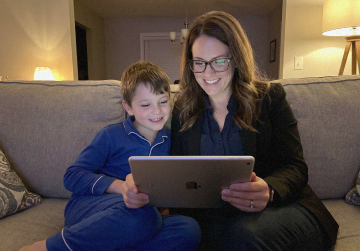
I sat next to my son on his bed the next night.
With zero expectations, we opened up Legends.
I was shocked at how much my son liked it right away because that never happens with this kind of stuff.
Legends opened up with a story about one of the greatest athletes of all time, Muhammad Ali.
We learned about the fights he lost. The doubts he had. And the simple phrase he repeated to himself before every match, even when nobody believed in him:
‘I am the greatest.’
My son straightened up a bit when he heard that.
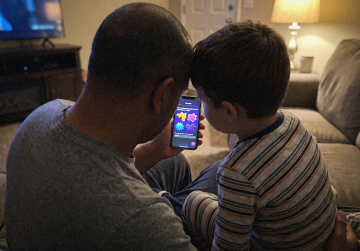
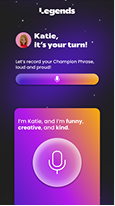
When the story ended, Legends prompted my son to come up with his own confidence phrase.
A sentence that would help him fight back when his self-doubt started creeping in.
He said, ‘I can do hard things!’
And right then and there, I knew I had finally found a solution that would make a real difference.
The whole Legends exercise only took like five minutes. It didn't feel like therapy. It felt like something we got to experience together.
They called it a mini confidence workout.
When it was over, my son turned to me and said, ‘Can we do another one tomorrow?’
What's Actually Different About Legends

I've spent a lot of money on a lot of things that didn't work, so let me explain what's actually different about Legends.
Legends was built on the backbone of Sonny's Ivy League research team:
They found that confidence is built on three pillars.
- Self-concept — how your kid sees themselves
- Self-efficacy — how much they believe in their own abilities
- Self-compassion — how they treat themselves when things go wrong
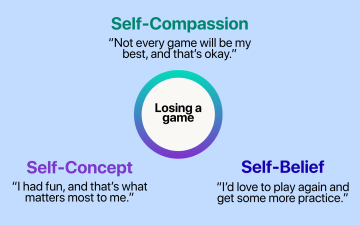
Most kids who melt down, spiral after a small mistake, or call themselves stupid usually have a weak foundation in all three areas.
You can't praise a kid out of a meltdown. You can't reward-chart your way past bad behavior.
I'd been throwing trendy parenting words at my son's pain for two years and watching them bounce right off.
For 2 years, I was using ineffective solutions that sometimes made his meltdowns worse.
But now, by practicing his confidence and self-esteem together using Legends, I'm starting to see a real difference.

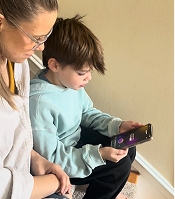
Here's what Legends does differently:
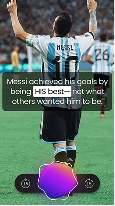
1. Each session is a 5-minute story about a real person who failed publicly and bounced back stronger.
Athletes like Messi, Ronaldo, Michael Phelps, plus celebrities like Taylor Swift and Selena Gomez — people who your kids look up to. These stories aren't fairy tales, but real people they can relate to.
2. Then, a small, gamified exercise that builds one of the three confidence pillars.
Because Legends is so fun, kids don't even realize they're doing emotional work. They think they're just hearing a cool story and doing “exercises” that make them feel good.
3. A key element is how parents and kids do Legends together.
Many parents report that it's the most meaningful time they spend together every day.
After two years of feeling like the villain in my son's story, Legends turned me into the hero.
Try Legends Free for 5 DaysI started seeing real change
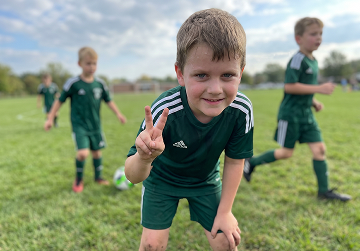
The first time my son used a phrase from Legends in real life,unprompted, in the wild, was about 3 weeks into the program.
He missed an open goal during his soccer game. The kind of mistake that used to end our weekends.
The old version of my son would have come off the field crying, calling himself stupid, refusing to go back in.
This new version of my son walked back to the bench, put his hands on his knees for a second, and said quietly:
“That's okay.
I can try again.
I can do hard things!”
I stood on the sideline and watched my son go back into the game. The kid who used to spiral over losing a card game was now bouncing back from failure.
That was the moment I knew Legends was working.
What Three Months With Legends Actually Looks Like
After completing 90 days on Legends, I've seen a drastic change in my son's confidence and his overall emotional regulation.
The negative self-talk is gone.
I haven't heard “I'm stupid” for a few months.
He has his own confidence phrase now — he says it before soccer games, before tests, before meeting new kids at the park.
Even his teacher noticed the difference and said he's participating more in school and looks a lot more comfortable around his classmates.

My 4-year-old daughter, the one who used to hide in her closet during meltdowns, built Legos with him for two hours last Saturday.
My husband and I haven't fought about him in over six weeks.
Last weekend, he lost at Uno. He shrugged, said “ugh,” and asked to play again.
A few months ago, that same loss would've ended in a meltdown. Tears. A Nerf gun across the room. Tonight it ended with him laughing and shuffling the deck.
I can't be more thankful for Legends. It's made such a positive impact on my family, and I've watched my son grow so much through the confidence workouts.
I Recommend Legends To Every Mom I Know
If you've tried therapy, consequences, gentle parenting, charts, books, podcasts — and your kid is still melting down...
If you're walking on eggshells in your own home, terrified of another outburst...
If you've started declining playdates, canceling birthday parties, or walking on eggshells in your own home, stressed about another outburst...
If your kid has ever said “I'm stupid,” “I hate myself,” or something about himself that no kid should ever say...
Try Legends.
It's the first thing that actually worked for my son.
Why I Stand By Legends
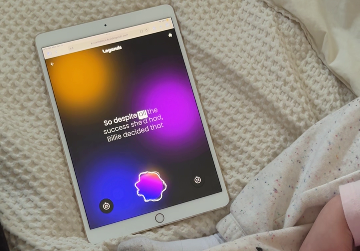
Here's exactly what you get when you start your Legends free trial:
- A full 180-day confidence training program: Built on research from Harvard, Yale, and Duke
- Daily 5-minute confidence workouts: A real hero story followed by a mini exercise that builds one of the three pillars (self-concept, self-efficacy, or self-compassion)
- Real hero stories your kid will recognize: Muhammad Ali, Messi, Ronaldo, Michael Phelps, Taylor Swift, Selena Gomez — people they look up to who failed publicly and bounced back stronger
- Activities for parents and kids to do together: With Legends, you stop being the villain in your kid's meltdowns and start being the hero of his story.
- Content built specifically for ages 7-11: The years when confidence is being built (or quietly broken)
- Real results for less than a dollar a day
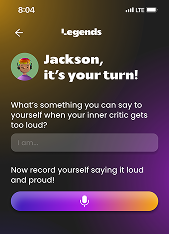

And here's what I love most: it works on the kids who refuse therapy. It works on the kids who throw the iPad. It works on the kids who say ‘I'm stupid’ over a wrong answer on a worksheet.
Legends is built specifically to help kids work through:
- Meltdowns over small losses or mistakes
- Negative self-talk (“I'm stupid,” “I hate myself,” “I can't do anything right”)
- Quitting before they try
- Refusing new activities, sports, or friends
- Perfectionism and homework spirals
- The fear of failure which holds them back from their real potential
20,000+ Families Seeing The Impact From Using Legends
"I'm about 7 days in with Legends for my kids. It's the most impactful, meaningful time we spend together every day. The change after one week is seriously crazy good." — Brandon C.
"Therapy, meds, years of worrying... but he BEGS for Legends every single night. It's really made a difference in the way he sees himself." — Shannon D.
"Just finished day 1. My son actually cried at the end of it and told me how happy he was that I bought this for him. He said he really talks to himself in a negative way and wants to stop. Made my eyes leak." — Cathleen D.
"He had an incident on the playground and he used the breathing techniques. He used the inner critic self-talk. The school called us for the first time this year to say he had de-escalated a situation. That was worth bazillions of dollars to me." — Alisa F.
"Single mom here with 8-year-old twin boys who are negative about most things and look to be offended! Legends popped up in my feed and I thought why not — nothing else is helping. I can't express enough how much my boys LOVE Legends." — Kristle J.
"My 7-year-old daughter literally begs me to do Legends every night." — Peter C.
"The investment (time and financial) is small, but the results are mighty." — Jessica D.
Become The Parent Your Kid Needs Today
Try Legends free for 5 full days. No risk. Just 5 minutes a day with your child.
Here's what I'd say to any mom asking me about it:
If you do 5 minutes a day with your kid for the next 30 days, you'll start to see things you haven't seen in a while.
Your kid bouncing back from things that used to break him.
The phrase ‘I can try again,’ becoming a part of his regular vocabulary.
His hand going up at school.
A loss at Uno that doesn't end in tears.
After your free 5-day trial, Legends costs less than a dollar a day. The most affordable thing I've spent on my son's confidence, and the only one that actually worked.
Imagine 3 months from now.
He doesn't quit when something gets hard.
He raises his hand at school.
He makes friends without you orchestrating it.
Imagine mornings without the constant battles.
Imagine the version of your son he was always supposed to be.
That's what's possible when you stop trying to talk your child into confidence — and start training it together.